NeuraLyfe
A disease you can only diagnose after death — I designed the system that sees it in the living.
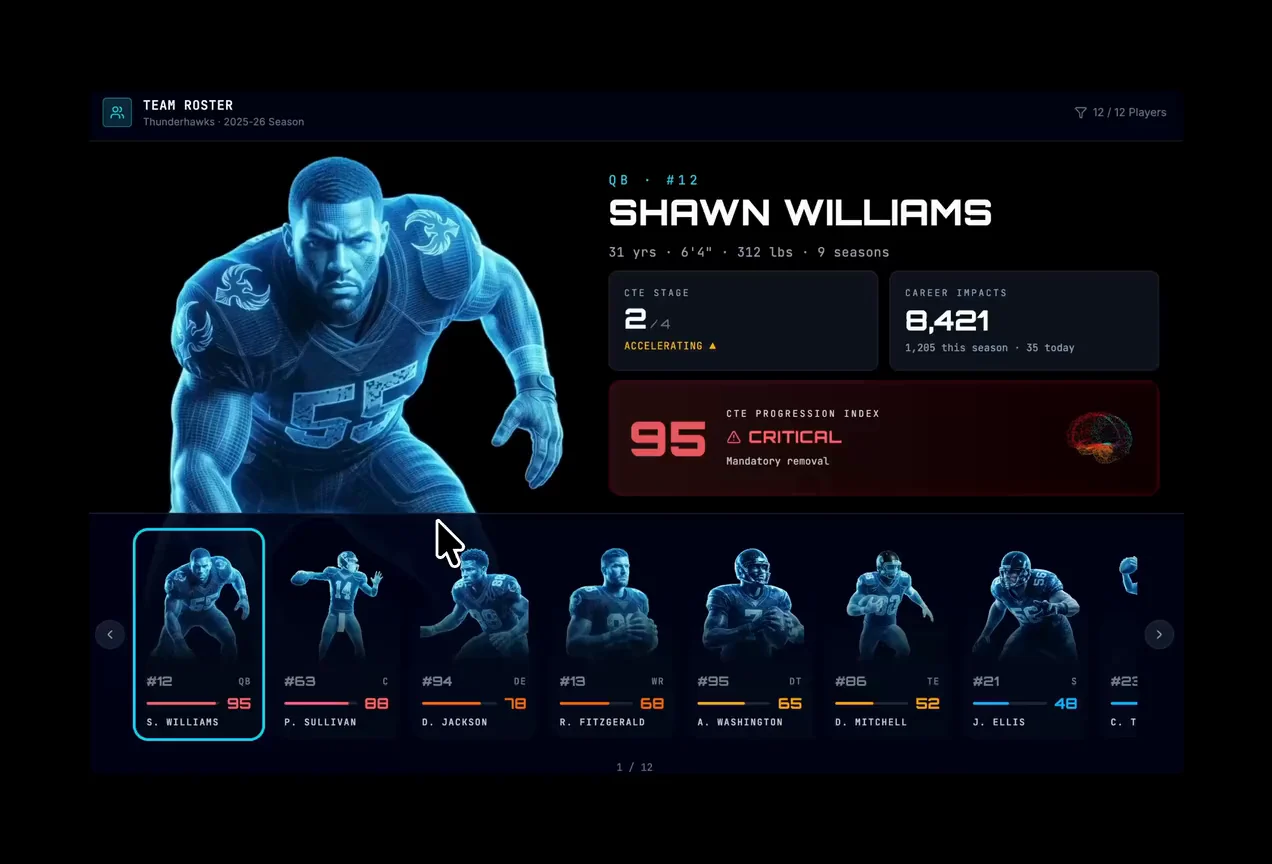
No test can find CTE in a player who is alive
A player can pass the sideline concussion check while CTE, a brain disease linked to repeated hits to the head, keeps building. More than nine in ten former NFL players whose brains were studied after death had it.
Everyone around the player cared, and none of them had a way to act on CTE
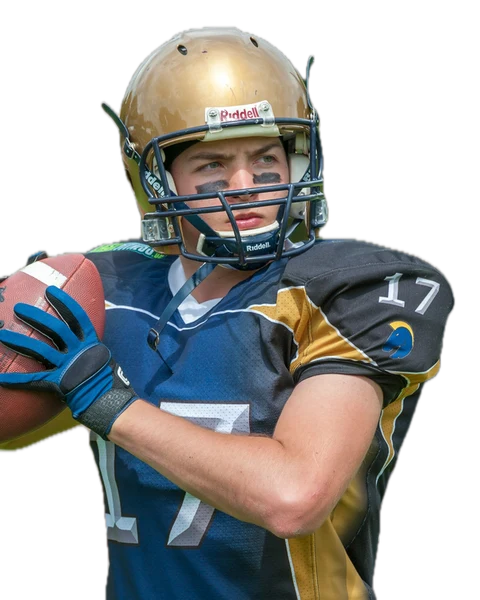
The player
Would lose their spot
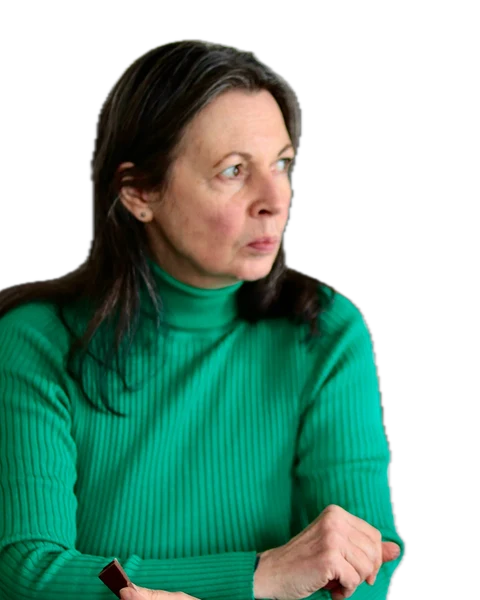
The family
Can’t take them off the field
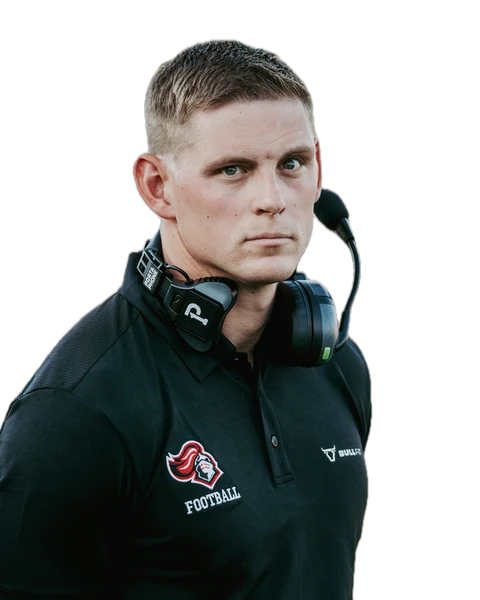
The coach
Needs them playing to win

The doctor
Has no test to prove they have it
I talked my team out of warning the player, and pushed for the doctor
For FigBuild, my team imagined a helmet sensor that could one day catch CTE building during play.
My team · Problem statement
How might we warn the player, their family, and the coach, so they can act?
Me
A warning won’t get a player off the field. The doctor can, and only needs the evidence.
Suggested instead
How might we give the doctor evidence to pull a player before more hits add up?
I told them about a player's wife who watched him decline for years. He wouldn't stop playing, his family couldn't make him, and they only got an answer at his autopsy. That story changed the room. I ruled out the coach too. Once the team agreed, I pointed our work at what a doctor would need.
The monitor had to show who to pull, why, and where the hits came from
A doctor watching play can't hold a tablet, so I pushed for a sideline monitor that can answer all three at a glance.
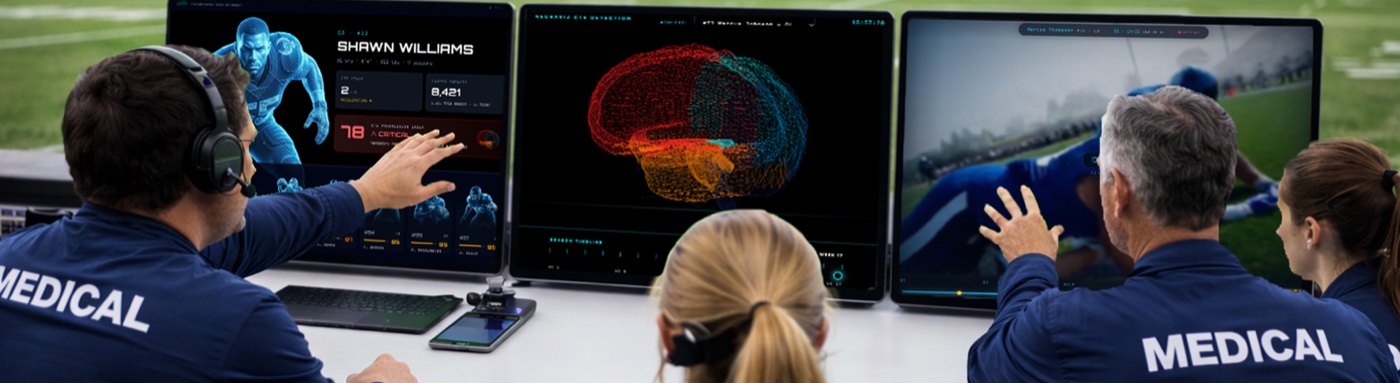
- LeftThe rosterWho to pull
- MiddleThe brainWhy
- RightThe impact replayWhere the hits came from
All three would read one score from the Halo, a helmet sensor I sketched and another designer rendered. I combined its biomarkers into that score and built the roster and the brain view. Another designer made the impact replay.
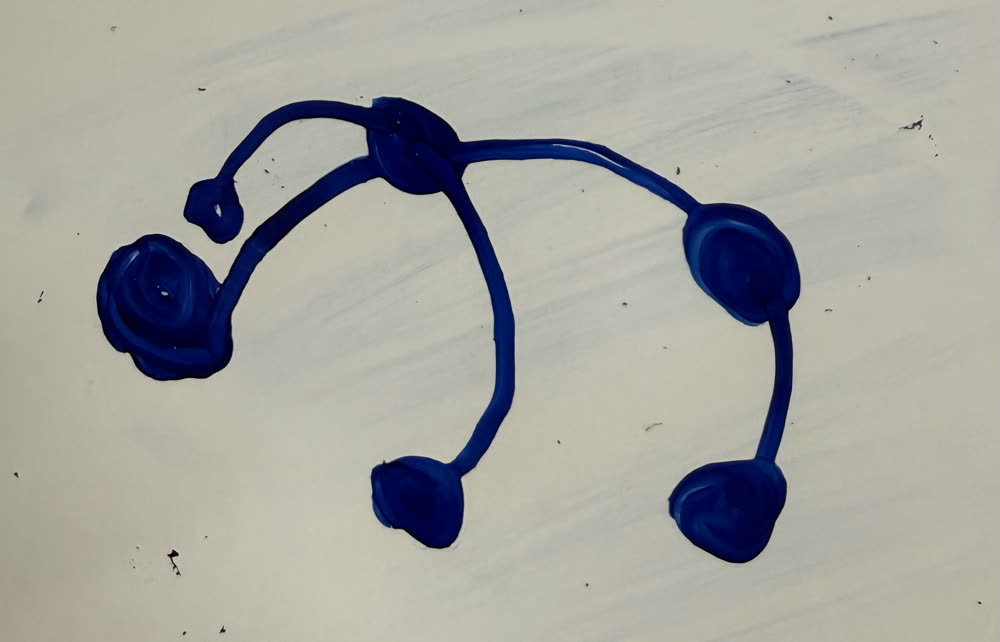
Sketch
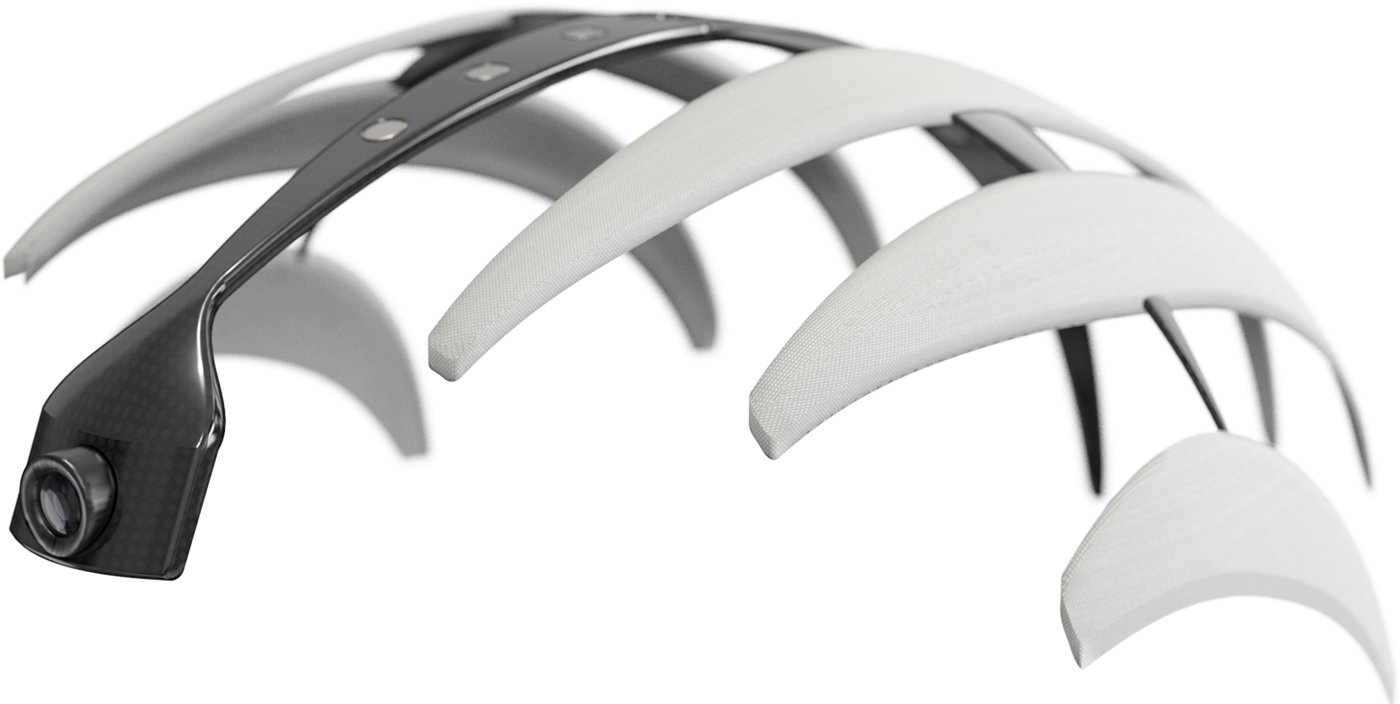
- Impact cameraVerifies hits and reconstructs plays
- EEG sensorsMap brain activity and connectivity
- Biomarker sensorsDetect p-Tau 217, NfL, GFAP
- p-Tau 217Disease progression
- NfLActive neural damage
- GFAPInflammation and structural breakdown
Combined into one score
CTE Progression Index0–100
I picked these three because each one tracks a different kind of brain damage. Combined, they give the doctor one number to read instead of three.
A doctor has a split second, so my roster shows only who to pull from the game
My last roster gives a doctor the call in one glance: critical, mandatory removal.
Another designer's second pass on my first roster still showed biomarker percentages, injury history, a clearance status and a filter tab. Each was nearly as prominent as the warning, so I cut all four and kept the score.
I made four cuts, and the warning became the loudest thing on the roster
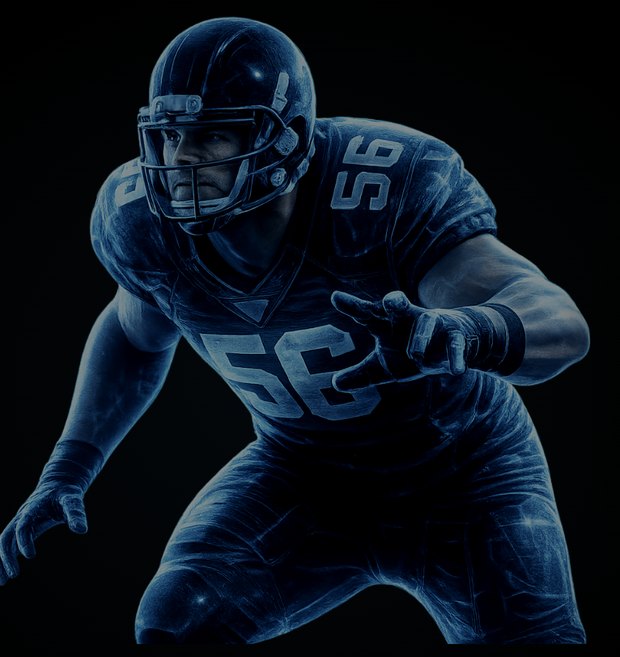
- I cut
- 1Biomarker percentages
- 2Injury history
- 3Clearance status
- 4Filter tab
CTE is linked to repeated small hits, so the brain view shows them adding up
A doctor who pulls a player has to explain why, so I built the brain view as a season-long record of the damage. Its timeline shows where the damage started and how far it has spread. I built it in Claude Code, then Figma Make.
Region analysis
- Frontal87
- Temporal62
- Parietal41
- Occipital23
- Cerebellum15
Biomarkerspg/mL
- p-Tau 2174.2
- NfL38.1
- GFAP186
The replay I almost cut showed the coach which drills to change
Another designer built the impact replay for players after I thought the team had agreed on the doctor. Players hide their symptoms, so I almost cut it, until I saw it could work for the coach. I moved its footage from a game broadcast to a practice field.
Most hits happen at practice, not in games
- MonTueWedThuFri
2 of every 3 hits at practice
- Sat
1 of 3 in games
Each hit on the video traces back to the play behind it. A coach can change how that play is practiced instead of losing the player. I'd ruled the coach out of pulling a player, not out of preventing the hits.
The replay moved from the player to the coach, who can change the drills
BeforeAnother designer’s version, for the player: their hits over a game broadcast
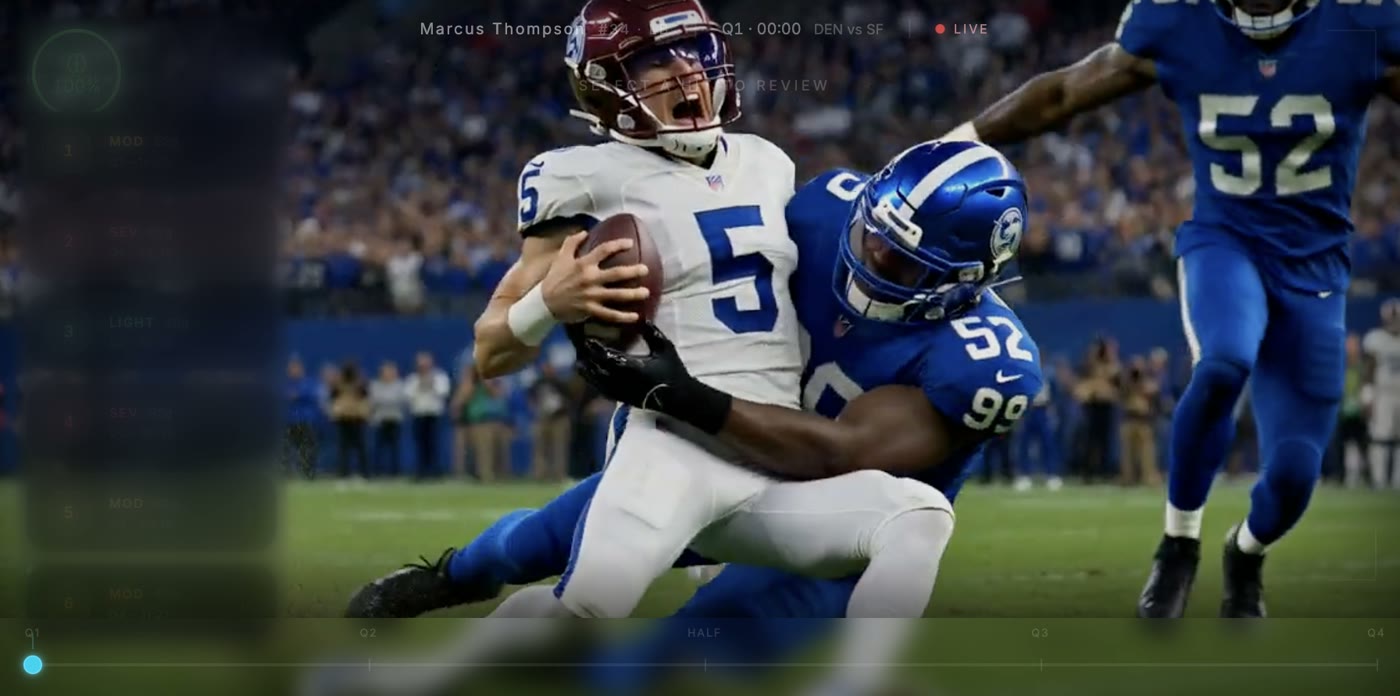
- Hit 1: moderate, 52g, first quarter 14:22
- Hit 2: severe, 87g, first quarter 8:33
- Hit 3: light, 28g, second quarter 13:58
- Hit 4: severe, 92g, second quarter 6:30
- Hit 5: moderate, 61g, third quarter 9:18
- Hit 6: moderate, 48g, fourth quarter 11:27
AfterMy version, for the coach: the hits over practice footage, to change the drills behind them
The doctor can act on the damage, and the coach can change what caused it
Now everyone around the player is better off than before
The player
Before: Would lose their spot
Now: Takes fewer hits, and comes off before they add up
The family
Before: Can’t take them off the field
Now: Can rest easy knowing the doctor has the player’s back
The coach
Before: Needs them playing to win
Now: Sees where the hits come from, and changes practice
The doctor
Before: Has no test to prove they have it
Now: Has the proof, and pulls them early so they can recover
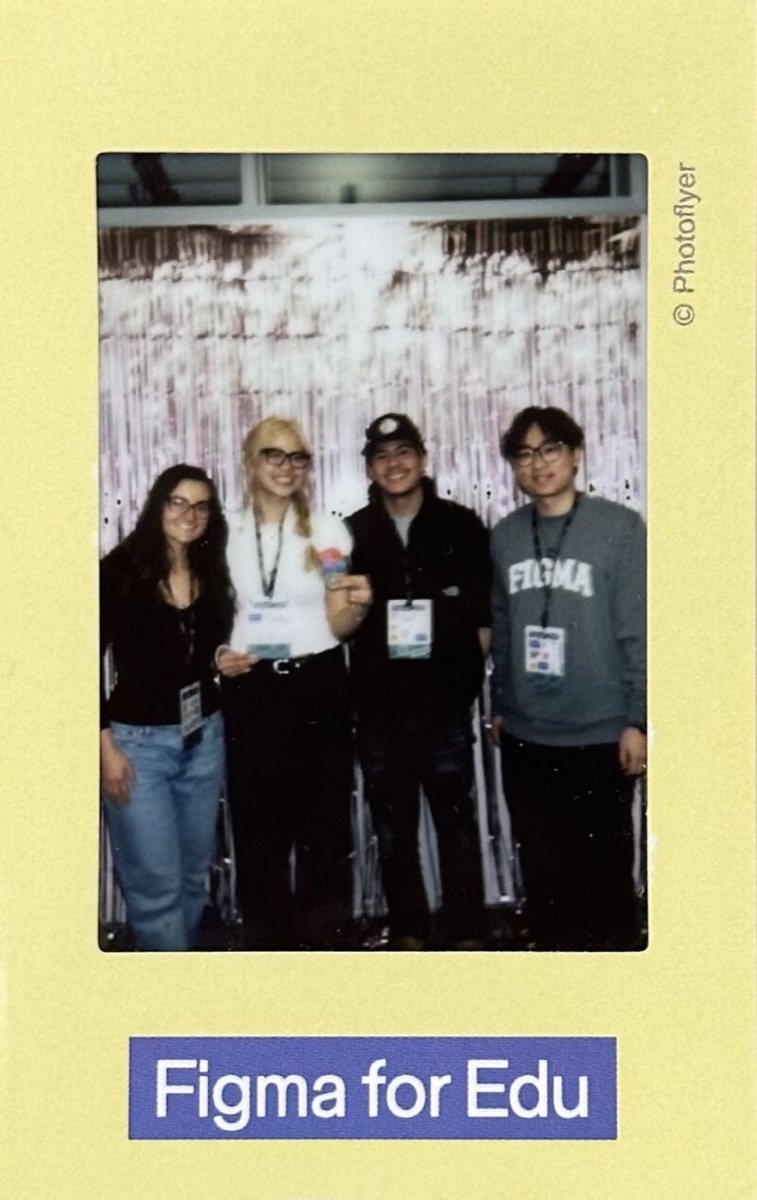
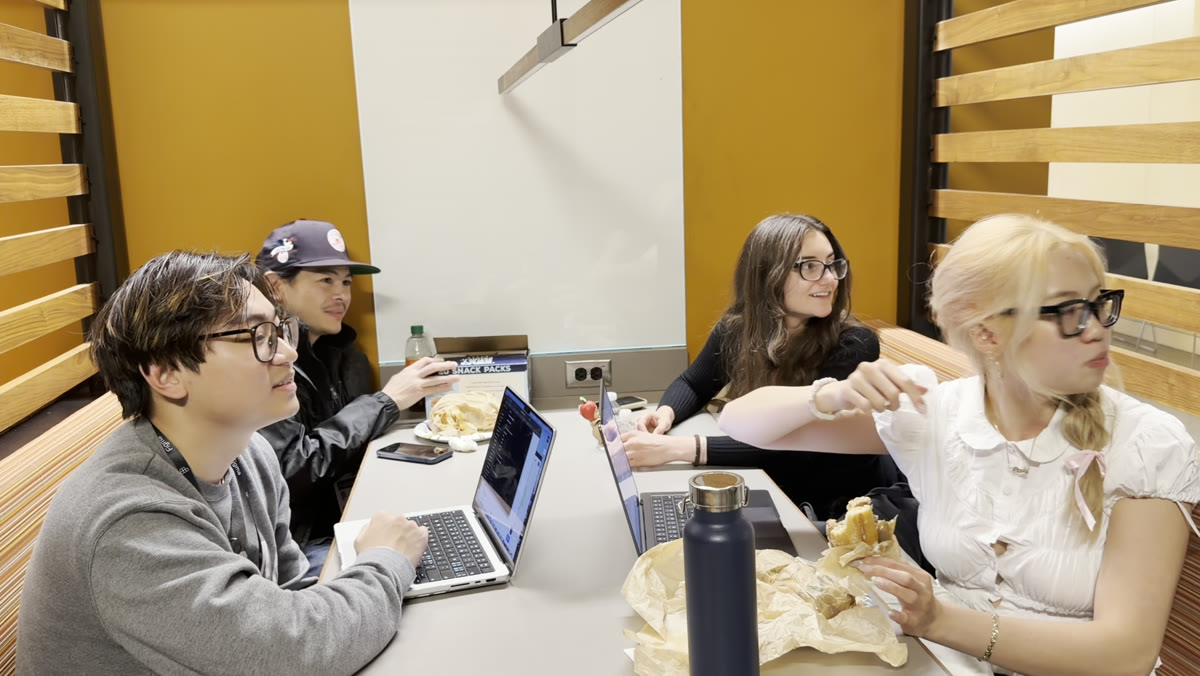
My team took first place out of 689 submissions at FigBuild 2026, Figma's annual student design-a-thon.

First place FigBuild 2026

4:20
Two reflections
A warning belongs to whoever will act on what it asks.
The player it described was the one hiding the symptoms.
The doctor needed to know when to pull a player, and the coach which drill the hits came from.
You can design the screen before the sensor that feeds it exists.
The brain biomarkers behind it are real research, and no sensor reads them during play yet.
I designed the screen a doctor would need the day a sensor can read them.